
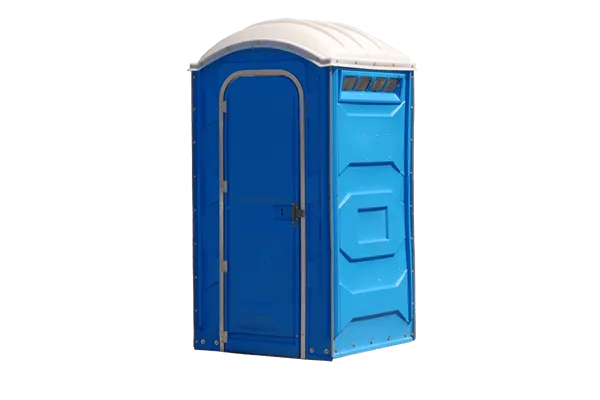
A self-contained toilet, not a permanent bathroom
A typical standard portable toilet contains toilet facilities and a holding tank for waste. It operates independently of a building's sewer connection and needs scheduled care appropriate to use. The tank is serviced by the provider rather than emptied by guests or workers.
Confirm the model and included supplies when requesting a quote. Do not assume a flushing mechanism, sink, lighting or particular dimensions from the standard label. Photos can help illustrate the type of equipment, but the supplied unit's details belong in the order.
Match the cabin to the activity it supports
A worksite may need dependable access throughout a shift, while a private gathering may concentrate use into a shorter period. Tell the rental team who will use the facilities, the busiest expected number, use hours, duration and any permanent bathrooms available to the group.
Those details inform quantity and cleaning discussions. A standard unit is a baseline choice, not proof that one cabin or one service arrangement suits every job. For guest occasions with particular expectations, compare upgraded options rather than assuming the standard order includes them.
Add washing and accessible provision deliberately
Separate handwashing may be needed when a cabin does not provide a suitable washing facility. Ask about the station's water, soap, towels and replenishment, especially if the activity continues over several days. Washing provision should be reachable without obstructing toilet doors.
An accessible unit is a distinct consideration for users who need a different entrance or interior arrangement. Evaluate the actual model and its approach. A standard cabin should not be treated as an accessible substitute merely because there is open space around it.
Choose a location that remains usable
Agree a stable, suitable position with clear door access and a practical walking route. Avoid blocking entrances, traffic paths or work activities. Tell the provider about gates, slopes, overhead obstacles and the ground between the vehicle entrance and the proposed position.
Leave room for servicing and eventual removal, not just initial placement. Do not use the cabin for storage or move it when the site changes without coordinating the new arrangement. Report supply or condition problems through the agreed rental contact.
Check the complete rental scope
Request confirmation of unit type, quantity, delivery, use period, cleaning and consumable arrangements, and collection. Ask what happens if usage increases or the equipment is needed longer. Any additional visits or changes should be discussed rather than assumed.
For a venue-controlled site, settle placement permission separately from equipment availability. An enquiry helps prepare an order; it does not book a particular model, guarantee a delivery time or authorize use of a public location.
Questions before you book
Does a standard unit contain a handwashing sink?
Not necessarily. Confirm the actual model and discuss a separate handwashing station if the needed washing facilities are not included.
Who empties the holding tank?
Waste servicing is a provider task under the agreed rental arrangement. Discuss the expected use and care schedule; users should not attempt to empty or modify the unit.
Is a flat patch of ground enough information for delivery?
No. The provider also needs to understand the permitted vehicle entrance, approach, obstacles and room for placement and later servicing.