
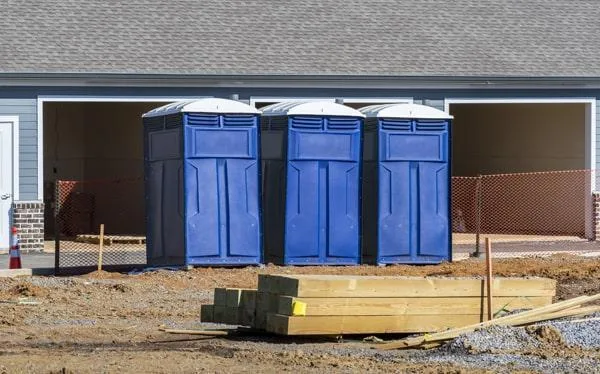
Put toilets where crews can use them without interrupting work
Set site toilets near the active crew area but outside equipment travel lanes, loading zones, excavation boundaries, crane activity, and emergency access. The best location is one workers can reach without crossing a hazardous or restricted area and without creating a conflict with material movement.
Use the current site plan rather than the original mobilization layout alone. As work moves from clearing to foundation, framing, finishing, or exterior activity, the most practical restroom location may change as well.
- Walkable route from the active crew area
- Separation from machinery, deliveries, and hazardous work
- Stable ground and a clear entrance area
- Location reviewed against the current phase of work
Keep access clear for use and scheduled service
Keep each entrance and crew walking approach free of stored materials, loose debris, parked equipment and temporary fencing. Maintain a suitable vehicle approach for servicing and collection as well, but do not assume the service truck should use the same route as pedestrians. Separate the movements where the site layout and safety procedures require it.
During routine site checks, look for depleted supplies, damage, a blocked doorway or a unit that cannot be used, and report the issue through the agreed contact. The rental care plan should cover tank waste removal, cleaning and replenishment; a foreperson’s visual check cannot replace those tasks. Preserve the arranged service access and review the schedule if shifts or use increase.
Tell the coordinator about gate changes, new security procedures, road closures, soft ground, overhead work or restricted work hours before they affect access. A named site contact should be able to direct the vehicle to the current approved location.
- Clear entrance and walking approach
- Vehicle route free from new obstructions
- Updated gate, sign-in, and escort instructions
- Current site contact available for coordination
Revisit locations when the site changes
Review the toilet location when fencing moves, a new work zone opens, paving begins, equipment staging shifts, or crews relocate. Do this before the old location becomes blocked or too distant for daily use.
A site review should also consider weather and surface changes. Wet or uneven ground, traffic wear, and altered drainage can affect a placement area and the vehicle approach. Discuss a suitable alternative location if the preferred area may no longer work.
- New phases, fences, and staging areas
- Crew movement to another part of the property
- Surface or weather conditions affecting access
- Alternate location identified before a move is needed
Coordinate temporary moves and final pickup
Do not reposition site toilets independently. A temporary move should be coordinated around the new surface, approach route, work activity, and service access so the unit can be safely placed and later collected.
When the project is nearing completion, confirm the collection contact, current gate instructions, and a clear vehicle route. The rental discussion should cover the requested equipment, use period, site access, any service needs, and pickup coordination without assuming a fixed project schedule.
- Reason and timing for a proposed relocation
- New placement and vehicle approach details
- Contact for move or collection coordination
- Clear site access at the end of the rental
Frequently asked questions
These operational questions help project leads keep site toilets practical as the work area evolves.
Questions before you book
Where should site toilets sit during active construction?
Place them on stable ground near the active crew area while keeping them outside equipment lanes, loading zones, excavation boundaries, emergency routes, and other hazardous work areas. Maintain a clear walking route and service-vehicle approach.
How can crews keep the area usable?
Keep entrances and walking routes clear, check for depleted supplies or damage and report a blocked or unusable unit. Preserve the separate agreed servicing approach and notify the coordinator of changes to gates, work hours or ground conditions. Site checks complement, but do not replace, cleaning and tank service.
When should a site layout be reviewed?
Review it whenever crews, fencing, staging, road access, or project phases change. It is also sensible to revisit the plan after weather or surface conditions alter the placement area or vehicle approach.