
Separate the cleanup into recognizable materials
A household clear-out, renovation and landscaping project can produce very different loads. List the principal items and materials, whether they will be mixed and when the debris will be ready. Include bulky or dense materials explicitly rather than describing everything as general rubbish.
Ask the provider what the proposed container may accept. Paints, liquids, chemicals, batteries, appliances and other special items can require a different disposal arrangement; do not load uncertain materials before obtaining instructions. A rental enquiry does not establish that every waste type can go into the same container.
Compare capacity and access together
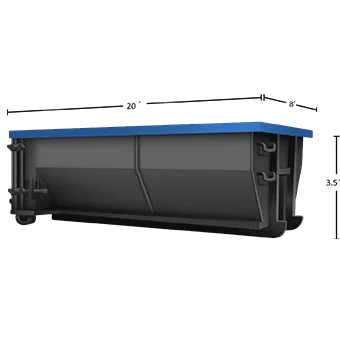
Discuss the available container formats using the expected debris and the usable site. A container that seems suitable by volume may still be unsuitable for a dense load, a restricted entrance or the project's loading method. Confirm the proposed dimensions, permitted loading and any relevant weight terms rather than selecting from a photograph alone.
For a roll-off option, the placing and collecting truck requires working room beyond the container's own footprint. If the job will produce debris in phases, ask whether one rental, an exchange or another arrangement best fits the schedule; do not assume additional visits are included.
Resolve the placement before loading begins
Identify an approved position that does not block doors, necessary access or the movement of people and vehicles. Share the surface, slope, overhead obstructions and any narrow approach with the provider. Ask about appropriate surface protection and the property's conditions before equipment arrives.
A private driveway, shared parking area and public street raise different permission questions. Obtain the property manager's approval and check any applicable local requirements for the exact location. A supplier accepting the project does not by itself grant permission to occupy public space.
Agree disposal, rental and pickup terms
The quotation should identify the container or arrangement, accepted materials, rental period, transport, disposal or weight inclusions, collection and circumstances that can add charges. Ask about prohibited loads, extra time and exchanges before comparing prices from different proposals.
Keep the container reachable and follow the provider's loading instructions. Report unexpected materials or a change in the project rather than burying them in the load. Confirm how pickup is requested and who can provide access after the cleanup team leaves.
Questions before you book
What information is more useful than guessing a container size?
Describe the project, main materials, bulky or dense items, amount of debris, loading schedule and available placement space. The provider can then discuss actual options and limits.
Can all renovation waste be mixed together?
Do not assume so. Identify the materials and ask what is accepted in the proposed arrangement, including special or uncertain items, before loading.
Does a dumpster rental include portable toilets?
No. Waste-container rental and portable sanitation are separate equipment requests. If both are needed, identify each service and its placement and scheduling requirements.